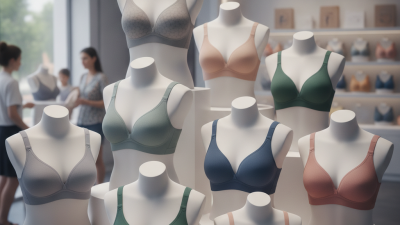
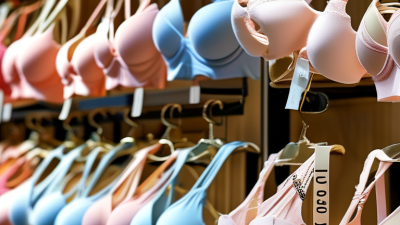
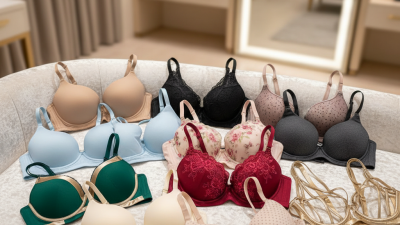
2026 Top Comfort Bras for Wholesale Buyers
Comfort Bras are no longer a small add-on for wholesale buyers. They can shape repeat orders, customer trust, and a retailer’s reputation. Yet “comfortable” is not one fixed fit. A soft cup may feel gentle on the hanger but rub beneath the arm after hours of wear. Straps can slip. Bands can roll. Small details matter.
A line often attributed to fashion designer Coco Chanel says, “Luxury must be comfortable, otherwise it is not luxury.” It offers a useful lens for evaluating everyday bras, though comfort also depends on fit, fabric, and use. For buyers, that means looking beyond a smooth product photo. Check size range, adjustable features, breathable materials, construction, and clear supplier specifications. Ask how samples feel after movement, not just during a quick fitting. The answer may vary by body shape. That is worth admitting.
This 2026 guide examines options for wholesale purchasing, from wire-free styles to lightly structured designs. It considers comfort alongside quality, assortment planning, and practical reorder potential. A low unit price can look appealing. But inconsistent sizing or weak stitching may cost more later. Compare samples and customer feedback before committing to volume. No single bra suits everyone. The best buying decision leaves room for that reality.
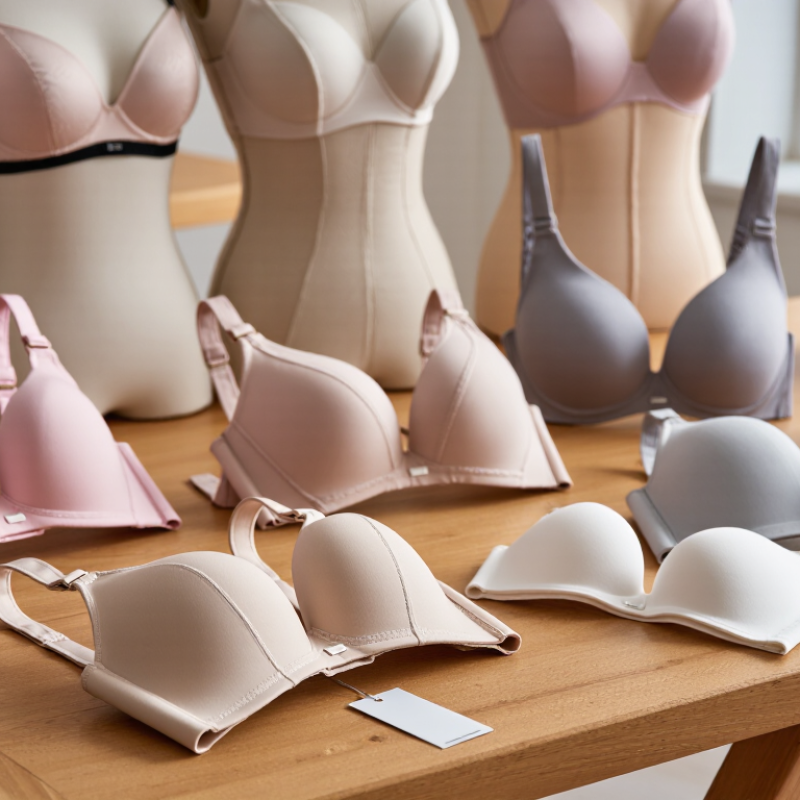
Defining Comfort Bras and Their Core Design Features
A comfort bra is an everyday bra designed to reduce pressure and friction while supporting natural movement.
It is not simply a soft, wire-free style. A well-designed version balances gentle support, stable coverage, and a fit that stays comfortable through a long workday. Small details matter. A broad underband can spread pressure across the torso; smooth seams and covered elastics can help prevent rubbing beneath a shirt. Adjustable straps should stay in place without digging into the shoulders. Fabric also needs reliable stretch recovery, since a bra that loosens after repeated wear may lose support. Softness alone is not enough.
For wholesale buyers, Grand View Research valued the global lingerie market at USD 96.05 billion in 2023 and projected a 6.1% compound annual growth rate from 2024 to 2030.
This estimate covers lingerie broadly, not comfort bras alone, so it should not be read as direct proof of comfort-bra demand. When assessing samples, check band stability, cup coverage, seam placement, and how the fabric feels after movement—not only on a hanger. A practical wear test can reveal pressure points that a product sheet misses. Fit is still personal, and one pattern will not suit every body. That is easy to overlook.
Comparing Comfort Bra Styles for Wholesale Assortments
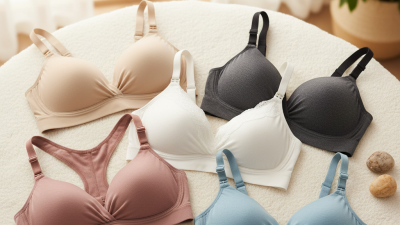
Comfort bras serve different shoppers, so a wholesale assortment benefits from more than one construction. Wireless bras offer gentle support and suit customers who dislike rigid underwires. Soft bralettes feel relaxed, but lighter bands may not work for everyone. Fit varies.
Molded-cup styles create a smooth shape beneath T-shirts and lightweight tops. Their cups can feel structured, though thicker foam may retain warmth. Full-coverage bras provide more fabric across the sides and back, which some shoppers prefer for all-day wear. Adjustable straps and wider bands can improve stability, but details matter: a strap that slips on a sample may cause complaints later.
Compare each style across sizes, not just on a single fit model. Check band tension, cup depth, seam placement, and fabric recovery after washing. A soft cotton blend may feel pleasant in hand, while stretch fibers can help the bra keep its shape. Ask suppliers for size charts and consistent construction details. A chart won't catch everything. Review samples on different body shapes when possible, and note where the fit feels too tight or too loose. Even a careful assortment can miss a customer need; wholesale buyers may need to adjust the size curve after reviewing sales and returns.
Assessing Fabrics, Construction, Fit, and Size Coverage
Comfort starts with fabric choices buyers can verify. A soft hand matters, but recovery matters just as much. Stretch a sample across the body, release it, and check whether it returns smoothly. Cotton blends can feel breathable, while microfiber often dries faster. Neither fabric suits every climate or customer. Ask suppliers for fiber content, care instructions, and test details before comparing prices.
Construction shapes support and durability. Inspect seams under light tension, especially where straps meet the cups. Rough edges may irritate skin during long wear. Wider straps can ease pressure, though overly firm elastic may dig in. Check closures, wire channels, and cup lining for consistent finishing across sizes. Small flaws show up quickly in repeated wear. A single sample can still mislead.
Fit needs more than a size label. Compare cup depth, band stretch, strap length, and coverage on several body shapes. Ask whether grading preserves support in larger sizes, rather than simply enlarging the pattern. Try a size set, then record gaping, band ride-up, and pressure marks. Size coverage should include meaningful increments, not just a wide range printed on a chart. Wholesale buyers may also request fit notes and measurement tolerances. These details take time to collect, and supplier charts are not always easy to compare. That uncertainty deserves attention.
Evaluating 2026 Wholesale Suppliers and Product Standards
For wholesale buyers, comfort is more than a soft fabric claim. Check how the band feels after several hours, whether straps stay put, and whether seams rub under the arms. Fit tells the truth. Request samples across several sizes, not just the sample size, and compare cup depth and band tension. A bra that feels gentle on one body may pinch another.
Evaluate suppliers through repeatable product checks. Ask for fabric composition details, size charts, care instructions, and records of wash testing. After washing, inspect whether elastic recovers and whether colors fade or bleed. Small details matter. Look closely at hook alignment, stitching near the underband, and how smoothly adjustable straps move. These observations can reveal production inconsistency before a large order.
Supplier performance matters as much as the sample. Ask how size grading is checked, how defects are handled, and whether delivery estimates include inspection time. Test communication with a few specific questions; clear replies are useful evidence, though not proof of reliable production. A polished sample can still mislead. I would not treat one successful fitting as a guarantee across a full run. Keep written notes from each sample review, and confirm any agreed changes before ordering.
2026 Top Comfort Bras for Wholesale Buyers — Evaluating Suppliers and Product Standards
Example even-numbered U.S. band-size labels, shown as nominal inches. These are sizing references—not sales, demand, or supplier-performance data.
Buyer note: When comparing suppliers, check size coverage and grading against each supplier’s own size chart, and confirm fit and product-quality requirements with samples and testing.