What Are the Benefits of Wearing a Bralette for Everyday Use?
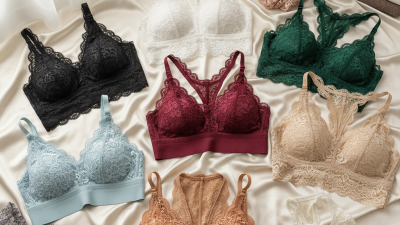
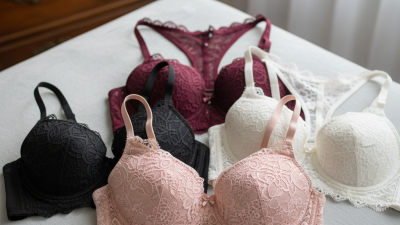
In recent years, the bralette has gained popularity as a must-have wardrobe staple. This versatile undergarment offers both comfort and style. Many women prefer bralettes for everyday wear, as they are often more breathable than traditional bras. The lightweight fabric allows for freedom of movement. Additionally, bralettes come in various designs, making them suitable for different outfits.
Comfort is a key benefit of wearing a bralette. Unlike structured bras, bralettes often lack underwire. This design choice can reduce discomfort during long hours of wear. Many women report feeling more at ease in a bralette compared to their standard bras. However, it’s essential to find the right fit. A poorly fitted bralette may not provide the desired support.
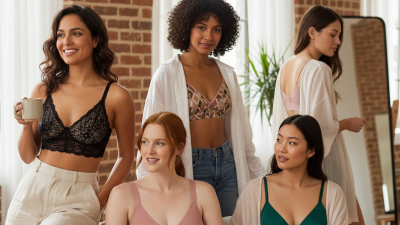
Style options are another clear advantage. Bralettes can be layered under sheer tops or worn solo for a trendy look. However, some might feel unsure about exposing a bralette. Experimenting with layers can help ease these concerns. Ultimately, incorporating a bralette into your wardrobe can enhance your daily style while providing comfort.

Understanding Bralettes: A Modern Alternative to Traditional Bras
Bralettes have emerged as a preferred choice for many women today, modernizing the way we think about undergarments. Traditionally, bras have been designed to provide support through underwires and padding. However, recent surveys indicate that approximately 70% of women prefer bralettes for their comfort and ease of wear. This trend highlights a shift in consumer attitudes toward body positivity and a desire for more relaxed styles.
The design of bralettes often prioritizes softness and flexibility. Many are made from lightweight fabrics and eliminate the restrictive underwire found in traditional bras. This makes them suitable for everyday wear, with a focus on natural shape and support. According to industry data, over 60% of women report feeling more comfortable in bralettes during daily activities. Yet, this comfort does come at a cost; some women have expressed concerns about limited support for larger bust sizes. It’s essential to recognize that while bralettes are generally versatile, they may not be the ideal choice for every body type or occasion.
Choosing the right bralette can be a process of trial and error. Fit varies widely among brands, and what works for one person may not work for another. While many bralettes are aesthetically pleasing, they may lack the support needed for prolonged wear, especially for those with larger breasts. Therefore, women should consider their unique body needs and preferences when choosing between a bralette and a traditional bra. The evolving landscape of lingerie invites us to reassess our choices and embraces a more personal definition of comfort and style.
Key Comfort Features of Bralettes for Everyday Wear
Bralettes have gained popularity for everyday wear, thanks to their comfort and versatility. The key comfort features make them an excellent choice for many individuals. Unlike traditional bras, bralettes often lack underwire, providing a softer fit. This absence reduces pressure on the ribcage. Many people appreciate this feature, especially those seeking a break from tighter options.
The materials used in bralettes also enhance their comfort. Soft fabrics often dominate the design. Many bralettes incorporate stretchy materials that move with the body. This flexibility allows for better breathability during daily activities. Moreover, the absence of heavy padding found in traditional bras can make bralettes feel lighter. For some, this means less irritation and more freedom.
However, bralettes do have some limitations. They may not offer sufficient support for larger busts. Some wearers report that the lack of structure can lead to discomfort after prolonged wear. It’s essential to carefully consider individual needs and preferences before choosing a bralette. Finding the right fit can take time and experimentation. Ultimately, while bralettes offer many benefits, they may not be the perfect solution for everyone.
Fashion Versatility: Styling Bralettes with Different Outfits
Bralettes have emerged as a stylish alternative for everyday wear. They offer remarkable versatility in fashion. Pairing a bralette with high-waisted jeans creates a chic, relaxed look. The outfit exudes a casual yet trendy vibe. With the right layering, bralettes can transition from day to night effortlessly.
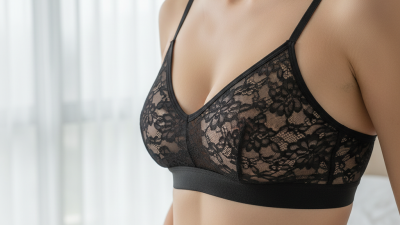
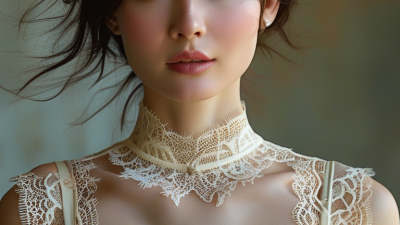
Experimenting with different styles can enhance the overall aesthetic. A lacy bralette under a sheer blouse provides a touch of elegance. Meanwhile, a sporty bralette works perfectly with an oversized jacket. This combination is great for an informal outing or running errands. Don't forget about prints and colors; they can add fun and personality to your wardrobe.
However, finding the right bralette can be challenging. Sizing varies significantly among different styles and fits. It’s essential to prioritize comfort while ensuring it aligns with your outfit choice. Sometimes, bralettes may not provide adequate support for all body types. This inconsistency can lead to discomfort or dissatisfaction. It’s important to reflect on your personal needs and preferences when styling.
Benefits of Wearing a Bralette for Everyday Use
Health Benefits: Why Bralettes Can Be Better for Your Body
Bralettes have gained popularity as a comfortable alternative to traditional bras. Their soft, lightweight design promotes natural body movement. This gentle support can enhance your daily comfort. Many women experience less pressure on their ribs and shoulders when wearing bralettes. This can lead to
improved posture over time.
Health benefits are a significant consideration. Bralettes often lack underwire, allowing for greater freedom of movement. This can reduce irritation and discomfort during the day. Additionally, bralettes can be a better option for sensitive skin. The
breathable materials used in many bralettes help prevent sweating and chafing.
Tips for choosing the right bralette: Look for adjustable straps for a customized fit. This ensures additional support when needed. Consider styles that provide adequate coverage for your activities. Trying different sizes can help you find the most comfortable option. Keep in mind that your needs may change over time. Reflect on how your body responds to different styles.
Environmental Impact: Sustainable Aspects of Bralette Production
The production of bralettes often incorporates sustainable materials and practices. Cotton, bamboo, and recycled fabrics are popular choices. According to a report by the Global Fashion Agenda, the fashion industry contributes about 10% of global carbon emissions. Choosing sustainable options can significantly reduce this impact.
A study published in the Journal of Cleaner Production highlights that garments made from organic cotton use 91% less water than traditional cotton. This fact is eye-opening for many consumers. The shift toward eco-friendly materials in bralette production is essential. However, some brands still face challenges. Sourcing reliable, eco-friendly materials remains complex and costly.
Moreover, transparency in the supply chain promotes accountability. The Ethical Fashion Initiative states that consumers increasingly demand ethical standards from manufacturers. Yet, many companies struggle to balance cost and sustainability. Simplifying the production process can lead to waste reduction. Ultimately, a focus on sustainable production is vital for the environment and future generations.