Leave Your Message
Sourcing the best Lace Push Up Bra globally requires more than comparing photographs and factory prices. It requires evidence. Grand View Research estimates the global lingerie market reached approximately USD 88.32 billion in 2023, with continued growth expected through 2030. However, most market reports do not isolate the Lace Push Up Bra category. That limitation matters. Buyers should avoid treating broad lingerie statistics as precise product evidence.
Material selection comes first. Inspect lace composition, stretch recovery, underwire stability, cup molding, and skin-contact finishing. A sample should survive repeated movement, washing, and humidity exposure. Check the band after several hours. Does it roll? Does the lace scratch? Small failures become expensive at scale. Intertek and SGS testing can support assessments for fiber content, colorfastness, formaldehyde, nickel release, and dimensional stability, depending on the target market.
Cora Harrington, a recognized lingerie educator and author, has written, “Lingerie is not just about sex; it’s also about feeling good in your own skin.” That principle should guide global sourcing decisions. A beautiful bra that pinches, slips, or irritates is not a successful product.
Supplier evaluation should include factory audits, traceable material records, production capacity, defect rates, and documented labor practices. Request pre-production samples in several sizes. Test darker dyes separately. Black lace can reveal uneven finishing quickly. Supplier directories can help, but they are not proof of capability. I have seen polished catalogs hide inconsistent stitching. That is uncomfortable, yet useful to remember. The best Lace Push Up Bra is sourced through repeated verification, honest communication, and measurable performance—not promises alone.
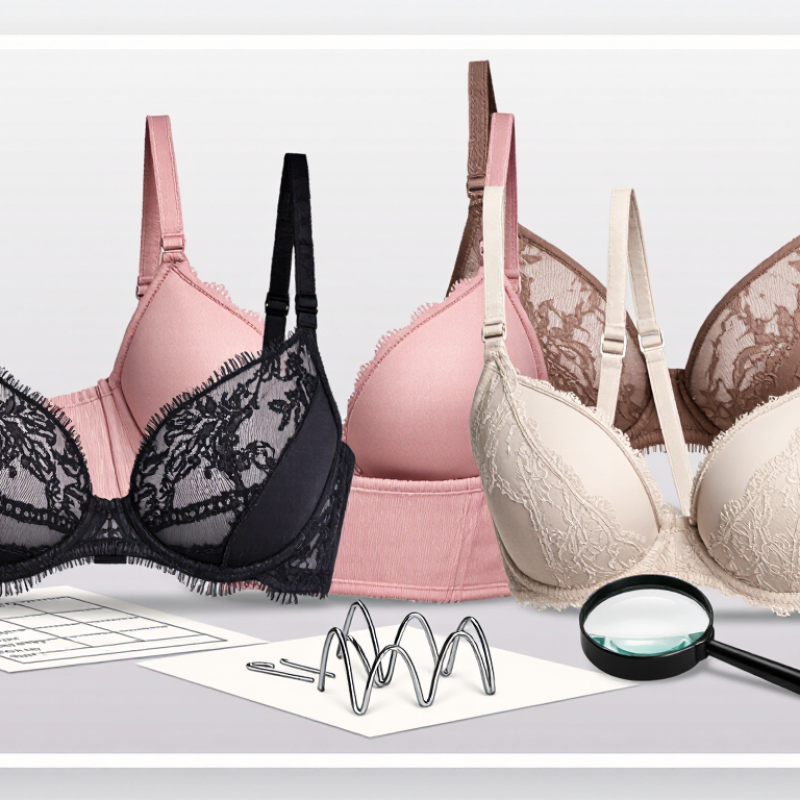
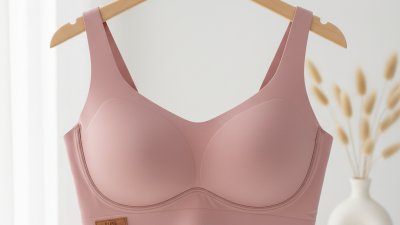
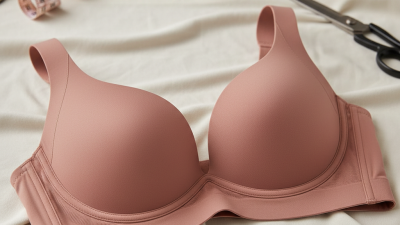
A high-quality lace push-up bra begins with supportive engineering, not decoration. The lace should feel soft, yet remain stable after stretching and washing. Look for neat stitching, even edges, and no scratchy threads against the skin. The cups should lift naturally without creating harsh pressure or unnatural gaps. Fit matters more than dramatic padding.
From my fitting experience, the band usually reveals construction quality first. It should sit level across the back and feel firm without restricting breathing. Wide, adjustable straps can reduce shoulder pressure, while a smooth underwire should follow the breast’s natural curve. The hook-and-eye closure needs secure stitching and several adjustment settings. Cup foam should recover its shape after compression. That small test is useful.
Reliable global sourcing also requires clear fiber information, consistent size grading, and documented quality checks. Suppliers should provide wash-test results, colorfastness records, and traceable production details. Recognized textile safety requirements should guide material selection, especially for lace dyes and elastic components. Still, no bra is flawless. I once judged a sample by its attractive lace, then noticed weak seams after two washes. That mistake changed my inspection process. Comfort testing, repeated wear, and honest feedback remain essential before approving large-scale production.
| Evaluation Dimension | Key Quality Feature | Recommended Sourcing Benchmark | How to Verify | Priority |
|---|---|---|---|---|
| Lace Material | Soft, flexible lace with a stable pattern and no sharp edges or loose yarns. | Use lace that maintains its appearance after repeated washing and normal stretching. | Inspect the surface, stretch the lace in both directions, and conduct wash-and-wear samples before bulk production. | High |
| Fiber Composition | Balanced blend of polyamide or polyester for strength, with elastane for recovery and fit. | The exact blend should match the required stretch, recovery, softness, and care instructions. | Confirm fiber content through supplier documentation and independent textile testing when required. | High |
| Stretch and Recovery | The lace and wing fabric should stretch comfortably while returning close to the original shape. | Specify a measurable stretch-and-recovery requirement for each fabric panel rather than relying only on hand feel. | Measure fabric width before stretching, under a defined load, and after a recovery period. | High |
| Cup Construction | Contoured cups should provide an even, rounded lift without creating hard pressure points. | Cups should remain symmetrical, smooth, and properly aligned with the underband and straps. | Check cup symmetry, seam alignment, padding placement, and fit on representative size samples. | High |
| Push-Up Padding | Padding should be securely enclosed, evenly shaped, and comfortable against the body. | Foam or other padding must not shift, wrinkle, collapse, or show through the lace during normal movement. | Perform movement, bending, and wash tests; inspect the padding through the inner lining. | High |
| Underwire | Underwire should follow the breast root, remain covered, and provide support without digging into the skin. | The wire should be centered, securely enclosed, and free from exposed ends or sharp points. | Run a hand inspection along the wire channel and test the bra in multiple representative sizes. | High |
| Inner Lining | Smooth, breathable lining reduces friction and improves comfort against the skin. | The lining should have clean edges, stable color, and no rough seams in high-contact areas. | Check seam softness, color transfer, pilling, and comfort during extended wear. | High |
| Straps | Adjustable straps should hold their setting and distribute lift without slipping. | Use securely attached strap hardware with smooth adjustment and sufficient length for the size range. | Apply repeated adjustment and tension checks; inspect bartacks and attachment points. | High |
| Back Band | The band should provide stable support while remaining comfortable during sitting and movement. | The band should lie level around the body and use consistent elastic tension across sizes. | Check band recovery, hook alignment, side seam stability, and fit across the full size set. | High |
| Hook-and-Eye Closure | Closures should be securely sewn, easy to fasten, and resistant to corrosion and deformation. | The closure should remain functional after repeated opening, closing, laundering, and tension. | Conduct repeated-cycle testing and inspect hook attachment, eye spacing, and metal finish. | High |
| Seam Quality | Seams should be flat, even, and free from skipped stitches, puckering, or excess thread. | Use consistent stitch density and reinforced stress points at straps, closures, and underwire channels. | Perform visual inspection and seam-strength checks on production samples. | High |
| Colorfastness | Color should resist transfer, fading, and staining during washing and contact with perspiration. | Set colorfastness requirements according to the destination market and applicable textile test methods. | Request wash, perspiration, rubbing, and light-fastness test results from an independent laboratory. | High |
| Dimensional Stability | The bra should retain its size, shape, and fit after care cycles. | Define acceptable dimensional change limits for cups, band length, straps, and lace panels. | Measure samples before and after the specified washing and drying procedure. | High |
| Size Grading | Pattern grading should preserve cup coverage, lift, strap position, and band balance across sizes. | Approve a complete size set, including core sizes and the largest and smallest planned sizes. | Conduct fit sessions or mannequin evaluations for every key size group, not only one sample size. | High |
| Comfort and Skin Safety | Materials and trims should minimize irritation, odor retention, and discomfort during extended wear. | Avoid rough trims, exposed wire ends, unstable dyes, and materials restricted by the destination market. | Review restricted-substance documentation and complete wear testing with representative users. | High |
| Care Instructions | Care labeling should accurately reflect the behavior of lace, padding, elastics, and metal components. | Provide clear washing, drying, and storage instructions supported by care-performance testing. | Compare the proposed label with laboratory wash results and the regulations of each target market. | Medium |
| Quality Control | A documented inspection system should identify material, workmanship, measurement, and packaging defects. | Agree on approved samples, measurement tolerances, defect classifications, and an inspection plan before production. | Review pre-production, inline, and final inspection records; conduct random checks against approved samples. | High |
| Traceability | Fabric, trims, production batches, and inspection records should be traceable through the supply chain. | Maintain batch records for key materials and finished goods from purchase through shipment. | Request material lot information, production records, test reports, and shipment documentation. | High |
| Packaging and Shipping | Packaging should protect lace, molded cups, hardware, and shape during international transport. | Use moisture-resistant outer packaging and prevent cup crushing, snagging, and color transfer. | Review packing specifications and perform carton handling and compression checks before shipment. | Medium |
| Supplier Capability | The supplier should demonstrate experience with delicate lace, molded cups, elastics, and size grading. | Select suppliers that can provide samples, technical specifications, test documentation, and consistent production control. | Evaluate sample quality, production capacity, audit results, lead times, communication, and corrective-action records. | High |