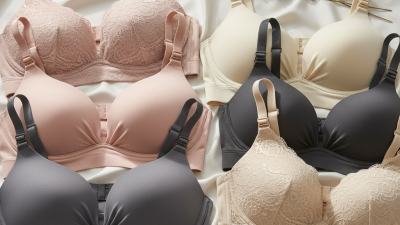
Choosing among China’s top 10 Nursing Bras For Breastfeeding suppliers requires more than comparing catalog photos. A soft-looking bra may still create pressure around the breast. A low price may hide weak stitching, inconsistent sizing, or limited quality records. This guide examines suppliers through practical buyer concerns, including fabric composition, cup access, nursing-clip strength, production capacity, OEM flexibility, minimum order quantities, and delivery reliability.
Dr. Jack Newman, a physician and internationally recognized breastfeeding expert, has stated, “Breastfeeding should not hurt.” That simple warning matters when assessing nursing bras. A suitable design should support the breast without compressing sensitive tissue or making feeding awkward at midnight. We look for breathable cotton blends, smooth seams, adjustable straps, and openings that can be managed with one hand. Small details matter. A sharp hook can irritate skin. A narrow band can leave red marks after a long feeding session.
The ranking also considers supplier experience and evidence. Factory audits, product samples, test reports, customer feedback, and transparent communication strengthen credibility. However, no supplier is perfect. Some manufacturers offer excellent customization but require higher order volumes. Others provide attractive prices but limited public information. That uncertainty deserves attention, not convenient praise. Buyers should request current samples, confirm measurements, and test several sizes before placing a large order. This introduction presents a focused starting point for importers, retailers, and maternity brands seeking dependable Nursing Bras For Breastfeeding suppliers in China. Conditions can change. Verify every important claim directly with the supplier.
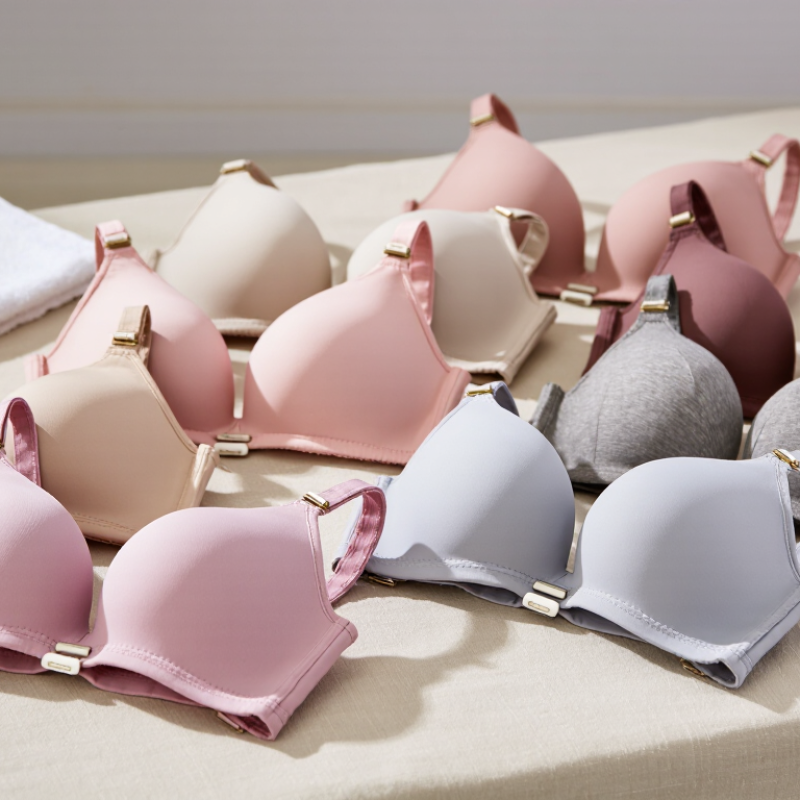
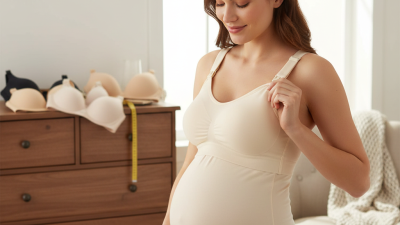
Nursing bras are designed for changing breasts during pregnancy and breastfeeding. They usually include flexible fabric, wider straps, and cups that open with one hand. Some styles use clips, while others pull aside for feeding access. A good nursing bra should support the breasts without pressing tightly against them. It should also leave room for daily changes in breast size.
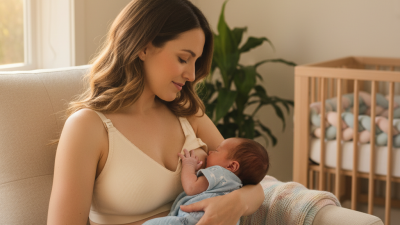
Comfort matters during long feeding sessions. A soft band can reduce rubbing under the bust. Breathable fabric may help manage warmth and milk leakage. Removable pads can protect clothing from small leaks. Still, features alone do not guarantee a good fit.
The band should stay level, and the cups should not cut into breast tissue. Persistent pain, swelling, or unusual tenderness deserves advice from a qualified lactation consultant or healthcare professional.
I once underestimated how quickly a nursing bra could feel uncomfortable after a small body change. That experience showed me why adjustable designs matter. Suppliers should check fabric recovery, seam strength, clip safety, and accurate sizing before offering products. Samples should be tested through repeated opening and washing. Not every popular feature helps every mother. A simple design may work better than a complicated one. Good nursing support is personal. It should make feeding easier, not add another problem.
China Top 10 Nursing Bras for Breastfeeding Suppliers?
Evaluating China-based nursing bra suppliers requires more than comparing prices. Start with factory experience in maternity apparel, not only general underwear. Ask for production photos, sample records, and details about fabric sourcing. A reliable supplier should explain nursing clips, stretch recovery, cup support, and size grading clearly. Vague answers are warning signs.
Request samples in several sizes. Check the clasp with one hand. Inspect stitching around the underband and shoulder straps. Wash each sample according to the care label, then measure shrinkage and elastic recovery. I have seen attractive samples fail after repeated washing. That mistake is easy to miss during a short inspection. Review material test reports and relevant textile safety documentation. Confirm labeling, packaging, and import requirements for your target market.
Tips: Ask for a video factory tour, but do not treat it as full proof. Arrange an independent audit when the order is important. Compare the approved sample with mass production using written specifications. Confirm minimum order quantities, lead times, replacement policies, and payment stages. Keep communication in clear, dated documents. A supplier may promise fast delivery, yet fabric shortages can change the schedule. Leave room for delays. Also, evaluate how the supplier handles complaints. Their response to one faulty sample may reveal more than a polished sales presentation.
| Rank | Anonymized Supplier Profile | Recommended Evaluation Focus | Practical Benchmark | Required Evidence | Suggested Weight | Evaluation Result |
|---|---|---|---|---|---|---|
| 01 | Supplier Profile A Best overall screening fit |
Product quality and breastfeeding functionality | Stable nursing clips, secure drop-down cups, soft seams, consistent sizing, and no sharp or exposed components | Pre-production sample, size-set sample, fitting report, and approved measurement chart | 20% | High priority |
| 02 | Supplier Profile B Best for material transparency |
Fabric composition and skin-contact safety | Fiber composition matches the purchase specification; colorants, elastics, and trims are traceable to documented materials | Material test reports, composition declaration, restricted-substance documentation, and trim specifications | 15% | High priority |
| 03 | Supplier Profile C Best for quality management |
Inspection system and defect control | Written quality standards, inline inspection, final inspection, defect classification, and corrective-action records | Quality manual, inspection checklist, sample inspection report, and corrective-action example | 15% | High priority |
| 04 | Supplier Profile D Best for flexible order quantities |
Minimum order quantity and development flexibility | MOQ is confirmed separately for existing styles, color changes, custom sizes, and fully customized designs | Written quotation, MOQ schedule, sampling policy, and customization terms | 10% | Medium-high priority |
| 05 | Supplier Profile E Best for sample development |
Prototype speed and revision control | Clear sample stages: concept, fit sample, revised sample, and pre-production approval sample | Sample timeline, revision log, pattern approval process, and sample charges | 10% | Medium-high priority |
| 06 | Supplier Profile F Best for production capacity review |
Capacity, machinery, and subcontracting control | Capacity is supported by production records; outside processing is disclosed and quality responsibility is assigned | Factory profile, production plan, equipment list, workforce overview, and subcontractor disclosure | 10% | Medium-high priority |
| 07 | Supplier Profile G Best for delivery reliability |
Lead time and shipment performance | Lead time includes material sourcing, production, inspection, packing, and any agreed buffer | Written lead-time schedule, production milestones, shipment history, and delay-management procedure | 8% | Medium priority |
| 08 | Supplier Profile H Best for compliance readiness |
Export, labeling, and destination-market compliance | Supplier can support destination-specific fiber labels, care labels, packaging marks, and buyer testing requirements | Label artwork approval, compliance checklist, test reports, and applicable market documentation | 5% | Medium priority |
| 09 | Supplier Profile I Best for communication control |
Responsiveness and documentation accuracy | One accountable contact, written confirmation of specifications, and prompt handling of technical questions | Communication protocol, specification sheet, order-confirmation template, and escalation contact | 4% | Supporting factor |
| 10 | Supplier Profile J Best for total-cost analysis |
Transparent pricing and commercial terms | Quote separates product price, sampling, tooling, packaging, testing, freight terms, payment terms, and applicable taxes | Itemized quotation, payment terms, packaging specification, and Incoterms confirmation | 3% | Supporting factor |
High-quality breastfeeding bras begin with comfort, not decoration. The WHO and UNICEF Global Breastfeeding Scorecard 2023 reported that 48% of infants under six months were exclusively breastfed worldwide. This makes daily support important for many families. A reliable bra should offer soft, breathable fabric, gentle stretch, and stable support without pressing sensitive tissue.
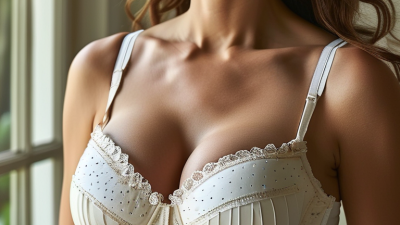
Nursing access must be practical. One-hand drop-down clips, wide straps, and a smooth underband can reduce discomfort during frequent feeding. Cups should open fully and remain secure after repeated washing. Suppliers should verify fiber content, colorfastness, seam strength, and clip durability through documented testing. ISO 6330 washing procedures can help assess fabric performance after home laundering. However, laboratory results do not replace real wear trials. Bodies change quickly after birth, and sizing advice can still fail.
Tips: Ask suppliers for fit samples in several sizes. Test clips with one hand. Wear each sample for four hours. Check red marks, cup collapse, and moisture retention. Review third-party reports, not only factory claims. Materials certified for harmful-substance control may add confidence, but certification scope matters. No checklist is perfect. A bra can pass testing and still feel awkward during night feeding. Feedback from postpartum users remains essential.
China’s nursing bra market includes suppliers with different product strengths, not one universal leader. Supplier 1 focuses on seamless microfiber bras with smooth edges and light support. Supplier 2 specializes in cotton styles, using breathable panels for humid climates. Supplier 3 develops larger-size cups, reinforced underbands, and wider shoulder straps. Fit matters.
Supplier 4 is experienced in hands-free pumping bras, with stable openings that reduce fabric movement. Supplier 5 offers wire-free nursing designs for sensitive users and post-delivery comfort. Supplier 6 is known for molded cups that keep their shape after repeated washing. Supplier 7 combines bamboo-blend fabrics with moisture control, although softness may change after extensive use. Supplier 8 supports private-label production, including custom colors, cup ranges, and packaging. Communication matters.
Supplier 9 concentrates on sports nursing bras, adding stronger compression for walking or light exercise. Supplier 10 provides budget-focused basics, suitable for large-volume orders but sometimes limited in fabric choices.
From practical sourcing experience, buyers should inspect nursing clips, stitching, elastic recovery, and washing samples before approving production. A low price can hide weak clasps or uneven sizing. Product claims also require verification through material reports, sample testing, and clear quality agreements. I would not judge a supplier from photographs alone. Real fit testing often reveals problems that factory samples miss.
China Top 10 Nursing Bras for Breastfeeding Suppliers?
Choosing a nursing bra supplier requires more than comparing prices. Examine factory experience, product consistency, and communication quality. Ask for production photos, audit records, and recent test reports. These should cover fabric composition, colorfastness, and skin-contact safety. Request samples in several sizes. A bra may feel soft, yet its clips can break after repeated use. Check the nursing clasps, elastic recovery, stitching, and cup shape after washing. Small details matter.
Discuss minimum order quantities, sample fees, lead times, and payment terms before placing an order. Reliable suppliers explain these conditions clearly. They should also provide measurable size charts and fabric specifications. If you need custom labels, colors, or packaging, confirm the process in writing. A supplier with fast replies is useful, but fast replies do not prove production ability. Ask how they handle defects, delayed materials, and replacement requests.
Use a simple scorecard for quality, cost, capacity, and service. Then place a small trial order before making a larger commitment. Inspect every batch, not only the first sample. This may seem inefficient. However, one poorly sewn batch can create returns and damage customer trust. No supplier looks perfect on paper. A practical choice is the one that admits limitations, documents its controls, and improves after feedback.
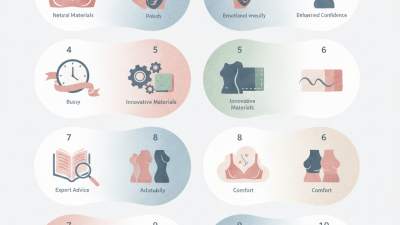
Supplier evaluation framework based on practical sourcing criteria for nursing-bras businesses
The chart compares the main criteria commonly used when evaluating breastfeeding-bra suppliers in China. Product quality, compliance, minimum order quantity, production capacity, customization, lead time, pricing, communication, sample service, and sustainability should be reviewed together rather than judged by price alone. Before placing an order, buyers should verify certifications, request samples, confirm test reports, and agree on quality standards in writing.